Beach Boy Font for Web Design
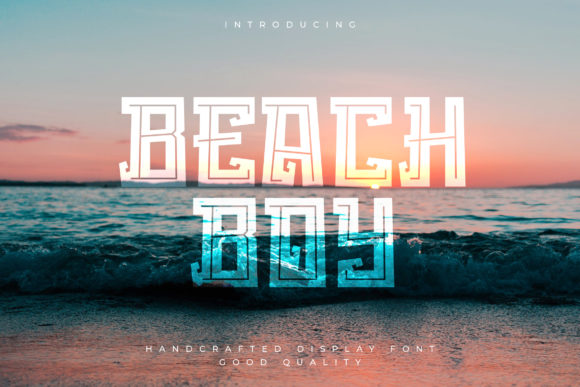
As a web designer, finding the right typeface can transform a layout from ordinary to unforgettable. Beach Boy is a display font that brings a fresh, dynamic energy to digital projects. Its bold shapes and abstract flair make it ideal for headers, logos, and creative accents that demand attention.
The visual character of Beach Boy is both playful and sophisticated. It blends geometric forms with organic curves, creating a look that feels modern yet expressive. This unique balance makes it suitable for a wide range of design contexts, from high-impact headlines to subtle branding elements.
Using Beach Boy in Web Layouts
Beach Boy excels in hero sections, where its striking presence can set the tone for a website. It works especially well in landing pages that aim to capture user interest quickly. For example, a creative portfolio site could use Beach Boy for the main title, drawing visitors into the work with its distinctive style.
In online stores, Beach Boy can elevate banners and promotional graphics. A boutique selling handmade products might use it for a "Limited Edition" tagline, adding a sense of exclusivity and personality. The font’s readability on large screens ensures that it remains legible while maintaining its visual impact.
For call-to-action buttons, Beach Boy can be used sparingly to highlight key actions without overwhelming the design. Pairing it with a clean sans serif for the button text creates a balanced contrast that guides the user’s eye effectively.
Brand Identity and Visual Hierarchy
When used consistently, Beach Boy can reinforce a brand’s identity across multiple touchpoints. Its boldness makes it an excellent choice for logos, especially for businesses that want to convey creativity and confidence. A coaching website, for instance, could use Beach Boy in its logo to reflect an energetic and approachable brand tone.
In terms of visual hierarchy, Beach Boy is best suited for headings and short phrases rather than long paragraphs. Its intricate details may reduce readability when used for body text. However, as a decorative accent or section title, it adds depth and character to the overall design.
On mobile screens, Beach Boy performs well when used at larger sizes. Smaller text may lose some of its clarity, so it’s important to test the font at different breakpoints. On dark backgrounds, the font maintains good contrast, but on light backgrounds, it may benefit from a slight shadow or outline to stand out.
Font Pairing and Design Balance
Pairing Beach Boy with a simple sans serif or serif font can create a harmonious design. For a modern look, combine it with a clean sans serif like Open Sans or Lato for body copy. This contrast allows the display font to shine without competing with the rest of the content.
For editorial designs, pairing Beach Boy with a serif font like Georgia or Playfair Display can add a refined, classic feel. This combination is ideal for blog headers or content sections that require both elegance and visual interest.
When working with image overlays, Beach Boy can be used for captions or overlay text. Its bold strokes ensure that it remains readable even when placed over complex backgrounds. This makes it a versatile choice for social media graphics and digital ads.
Practical Considerations for Web Use
Before using Beach Boy in a project, check the available styles, weights, and file formats. Webfont availability is crucial for seamless integration into websites and digital assets. Ensure that the font supports the languages and characters needed for your audience.
Commercial licensing is another important factor. Beach Boy should be properly licensed for use on websites, client projects, and online stores. Always verify the license terms to avoid any legal issues down the line.
For designers working on multiple platforms, Beach Boy offers flexibility in various design applications. Whether it's for a course sales page, a digital brand kit, or a product landing page, the font adapts well to different contexts while maintaining its distinct personality.
Ultimately, Beach Boy is more than just a font—it’s a tool for expression. Its ability to blend creativity with clarity makes it a valuable addition to any designer’s toolkit. By using it thoughtfully, you can enhance the visual appeal and emotional impact of your digital work.